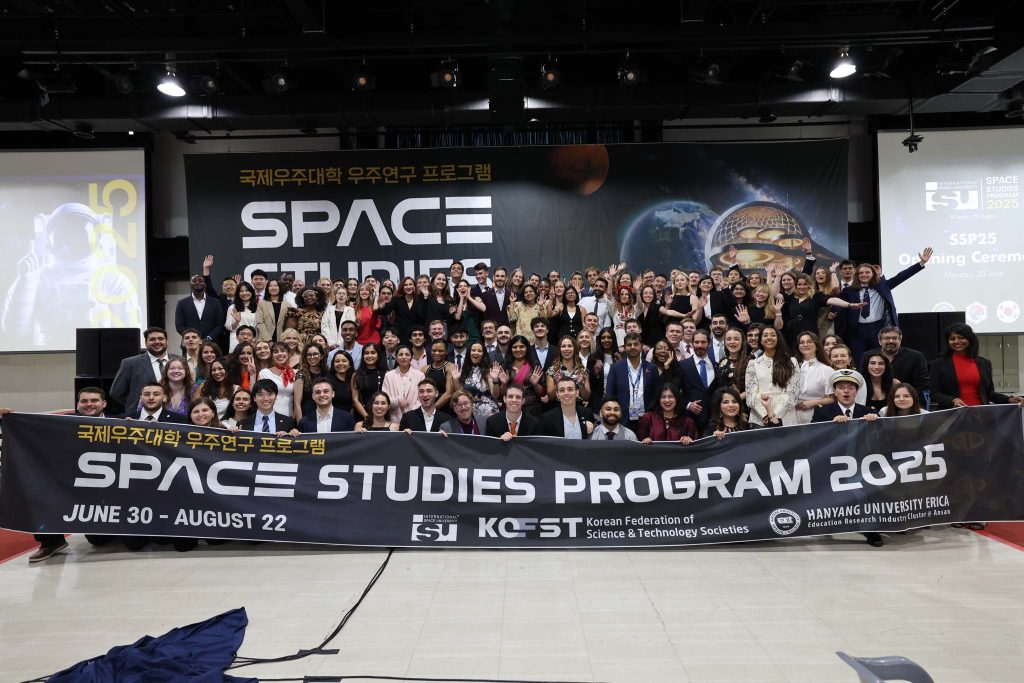
This week we officially kicked off SSP Week 1 at Hanyang University’s ERICA campus !
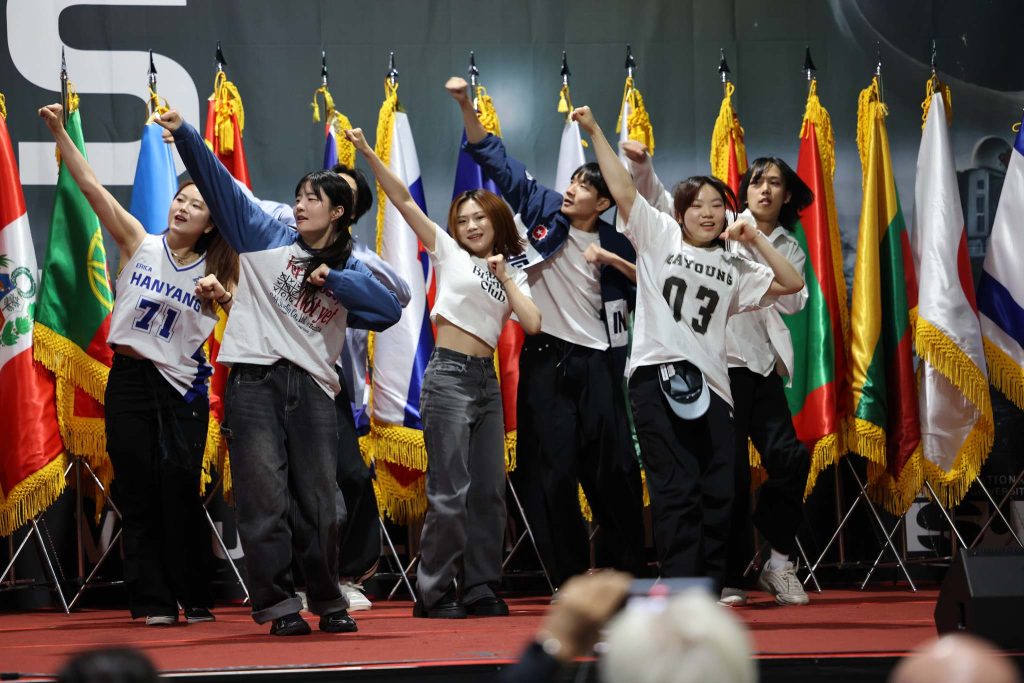
On Monday, an energetic Opening Ceremony set the tone for eight weeks of discovery, collaboration, and space challenges. Seeing participants’ faces light up with excitement—knowing they’ll carry this adventure home to more than 39 countries—was unforgettable. Distinguished speakers, including ISU’s founders, the president of KOFST, and ISU leadership, shared inspiring words. We also enjoyed a vibrant kpop dance performance by the Hanyang University team, immersing everyone in Korean culture right from the start.
On Tuesday we dove into Professor William Kramer’s “Origins of the Space Age,” where we followed humanity’s flight dreams from Icarus-like myths to today’s rocketry—and everyone loved hearing the stories behind each breakthrough. Tanja Masson-Zwaan kept us on our toes as she walked us through the five UN space treaties and liability rules, and we were all surprised at how space law is evolving to tackle new challenges. Chris Sallaberger broke down how commercial space companies are built—equity vs. debt, corporate roles, and what makes a business plan click—and his clear examples had the room buzzing with questions. That evening, we spilled into the lounge for Chris’s fireside chat on the space economy: the informal polls had us cheering for our favorite trends, and the relaxed Q&A led to some great new connections (and a few laughs).
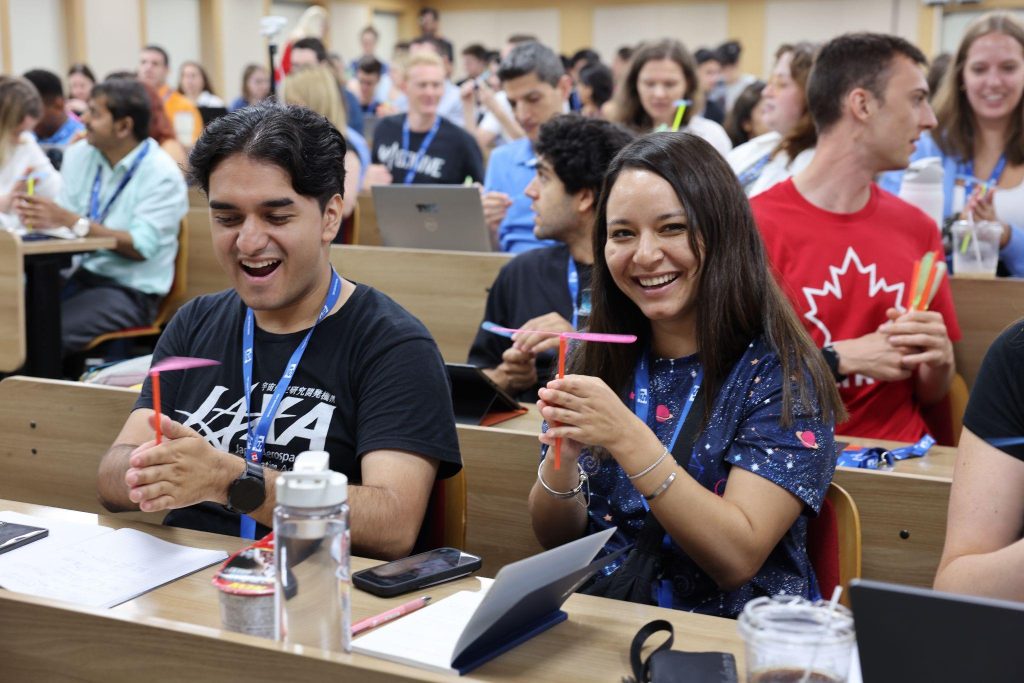
Wednesday was also very intense! We started the day with Gwanghyeok Ju’s Orbits and Applications lecture, diving into the three-body problem—gravity, motion, and plenty of questions that kept everyone on their toes. William Kramer then unpacked why different cultures look to the stars, sparking a debate about our own cosmic motivations. After lunch, Chris Sallaberger led us through business planning and financing with real mission case studies and risk-management puzzles that had teams buzzing. The day’s highlight came in the evening with Dr Jeffrey A. Hoffman’s Distinguished Lecture, “The Hubble Space Telescope: From Disaster to Triumph,” where he shared the story of Hubble’s flawed optics, NASA’s daring spacewalk repairs, and the telescope’s legacy of discoveries through slides and video clips.
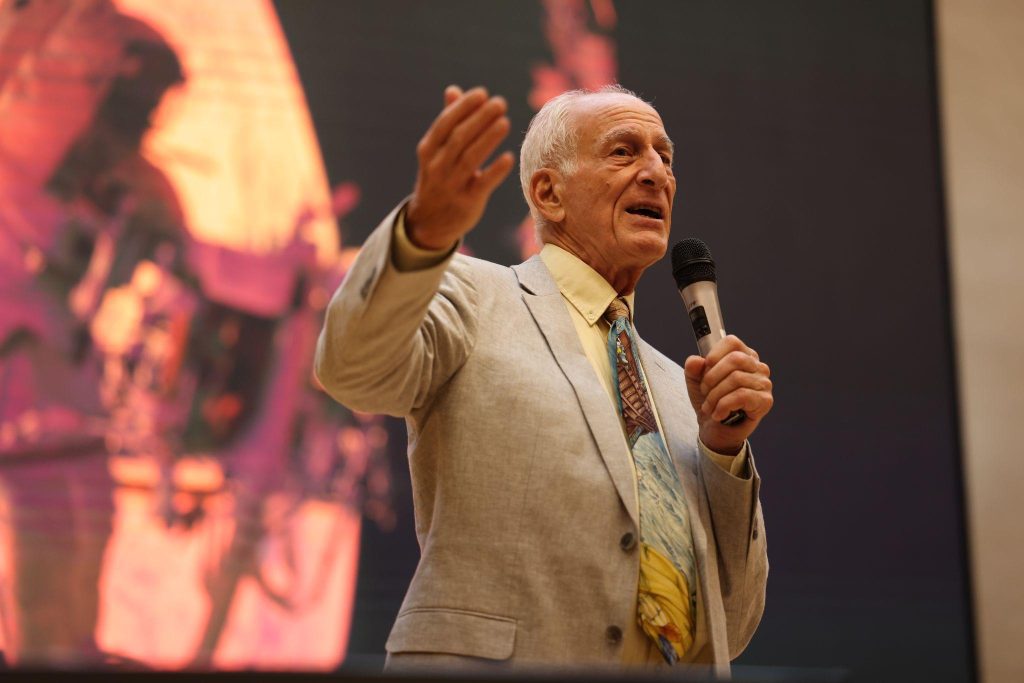
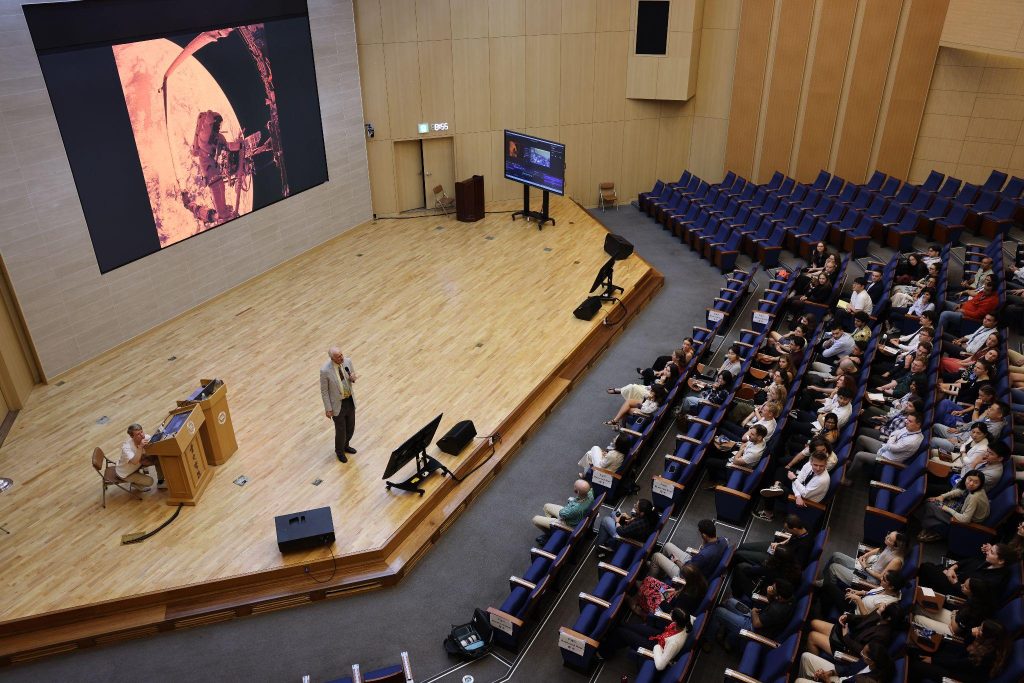
Thursday was packed with big-picture thinking and hands-on planning. We began with Tanja Masson-Zwaan’s dive into why governments fund space—politics, economics, and societal goals that give birth to national agencies. William Kramer then showed us how art and creativity shape spacecraft design and public support, complete with sketches and examples. Su-Yin Tan took the stage to demonstrate real-world satellite applications—from tracking storms to connecting remote villages—reminding us how space tech touches daily life. In the afternoon, Gwanghyeok Ju walked us through mission design: setting clear objectives, weighing technical options, and honing plans into feasible, budget-friendly proposals.
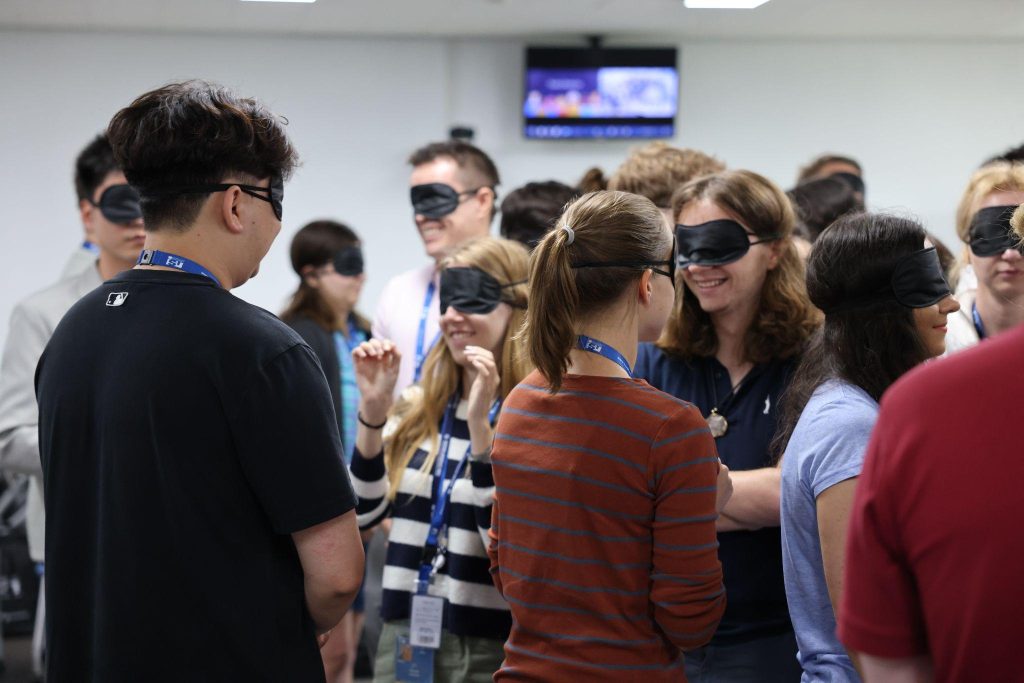
Our fundamental workshops further contributed to keeping the energy levels high! Teams debated an ISS evacuation scenario, pitched one-item climate solutions, and argued AI’s place in future missions. In Intercultural Awareness, Soyeon Yi, Carol Carnett, and Marina Machado led blindfolded teamwork exercises that highlighted communication pitfalls—and teased next week’s Rube Goldberg contest. Paul Frakes’s Strategic Foresight session wrapped up with tools for horizon scanning and imagining possible space futures.
Last but not least—Friday! Dr. Jeffrey A. Hoffman amazed us with live experiments on weight and gravity. William Kramer followed with futures-studies techniques to help shape tomorrow’s space agenda, and Dr. John Wensveen wrapped up the lectures by exploring disruptive technologies poised to redefine our cosmic pursuits. The Team Project phase kicked off with an overview of guidelines, a session on AI best practices, and a hands-on project-management workshop. In the evening, Culture Night brought us together as Australia, Germany, Rwanda, the Netherlands, and (what a coincidence on the 4th of July!) the United States each shared food, music, and stories—giving everyone a chance to relax, discover new cultures, and gear up for another week of space adventures.
Written by TA Lisa K.