SSP26 Process Update
The SSP26 Chair selections have been completed, and all Chair applicants have been notified of the results.
The selection process for SSP26 Staff and activities is continuing according to the planned timeline.
Gain hands-on experience, join a global alumni network, and tackle real-world challenges with direct access to the space industry.
The Space Studies Program (SSP) offers an intensive short course hosted each summer in different locations around the world.
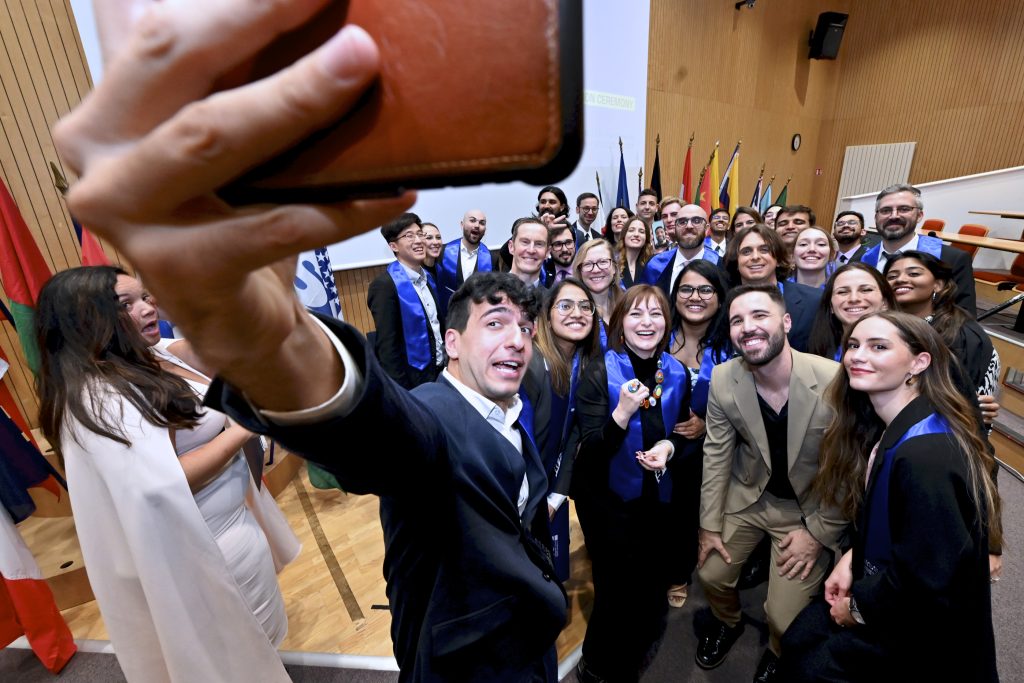
The Space Studies Program brings participants together in a new location each year for an intensive experience across all space disciplines. Through workshops, professional visits, and team projects, participants gain both breadth and depth in the space sector while joining a global alumni community that spans more than 110 countries.
Ideal for: Professionals and students ready to expand their expertise and network on a global stage.
“I enrolled for ISU’s Space Studies Program 2021 in Strasbourg while changing my career from being an academic researcher to become a space propulsion engineer. The extraordinary people that I met, from young professionals to executives, contributed to my personal and professional growth. This experience boosted my career further into the NewSpace business. After SSP21, I started working as space licensing and system engineer at HyImpulse GmbH – currently working on the development of the sounding rocket and in-orbit propulsion systems.”
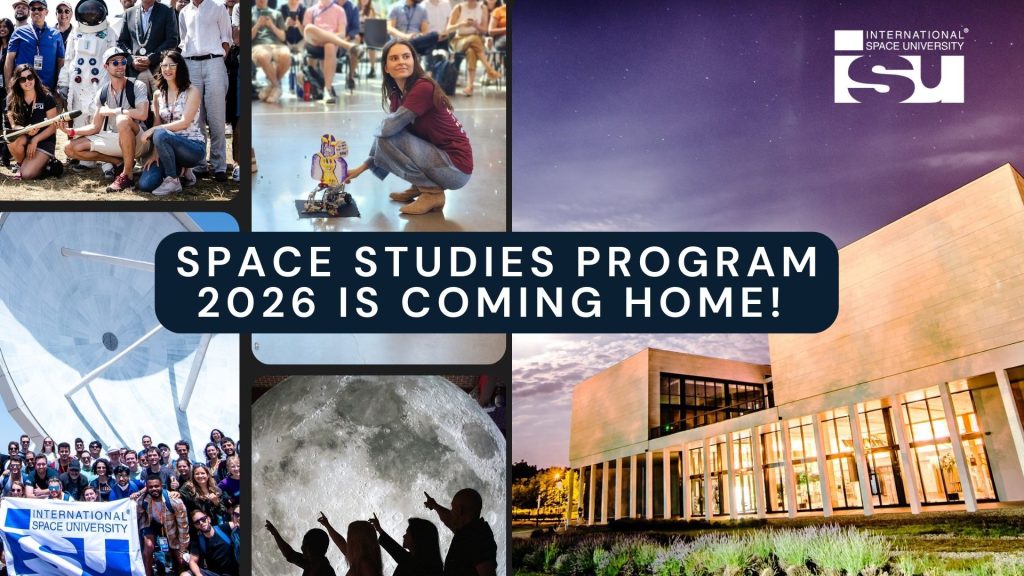
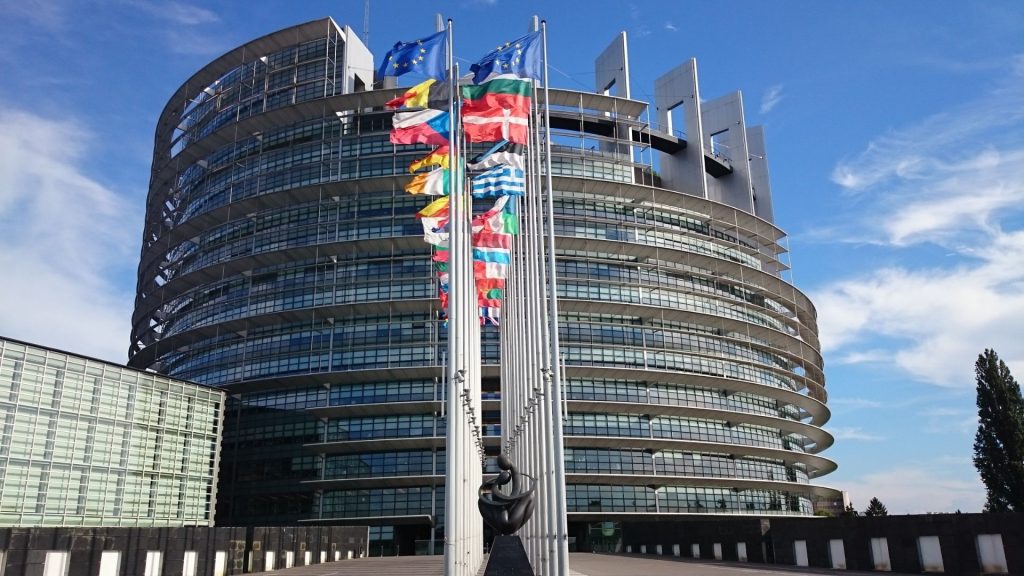
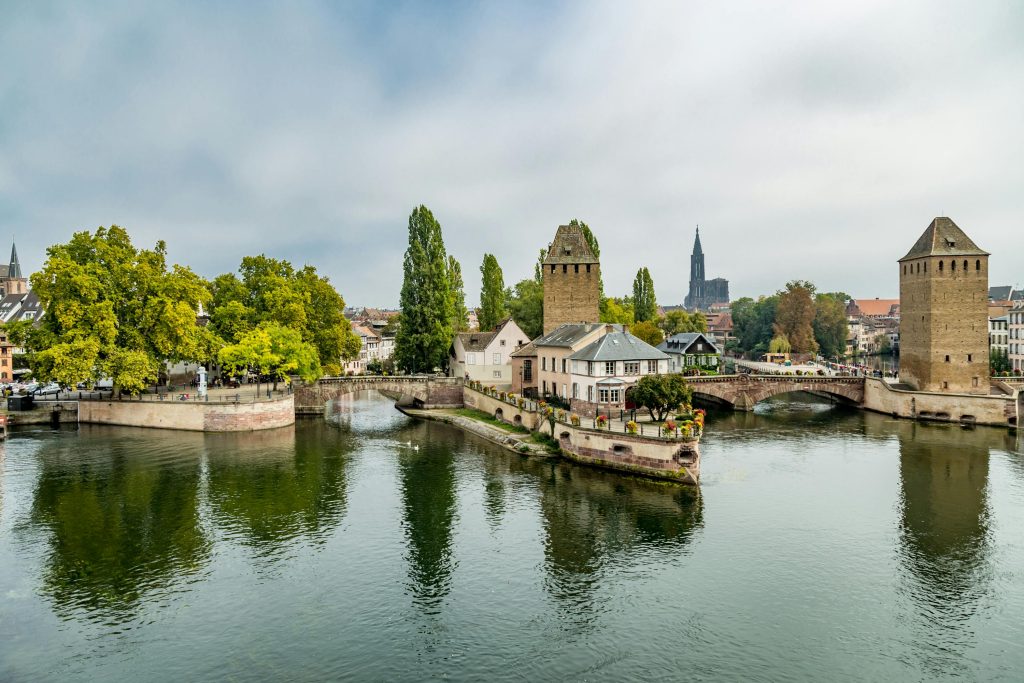
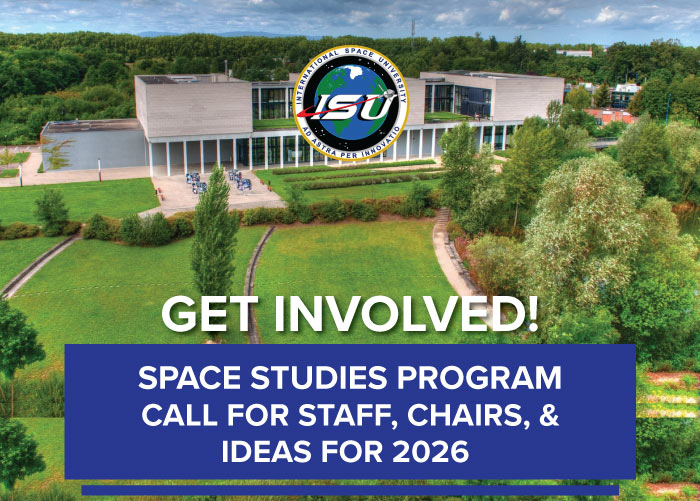
The International Space University’s 38th Space Studies Program (SSP) will be held in Strasbourg, France, in summer 2026.
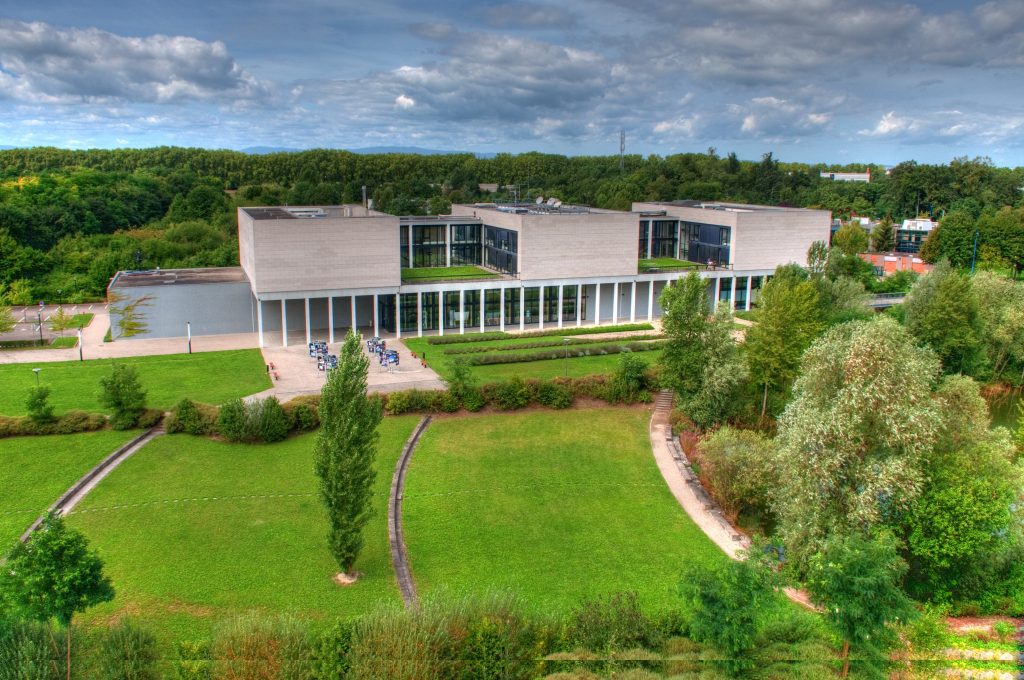
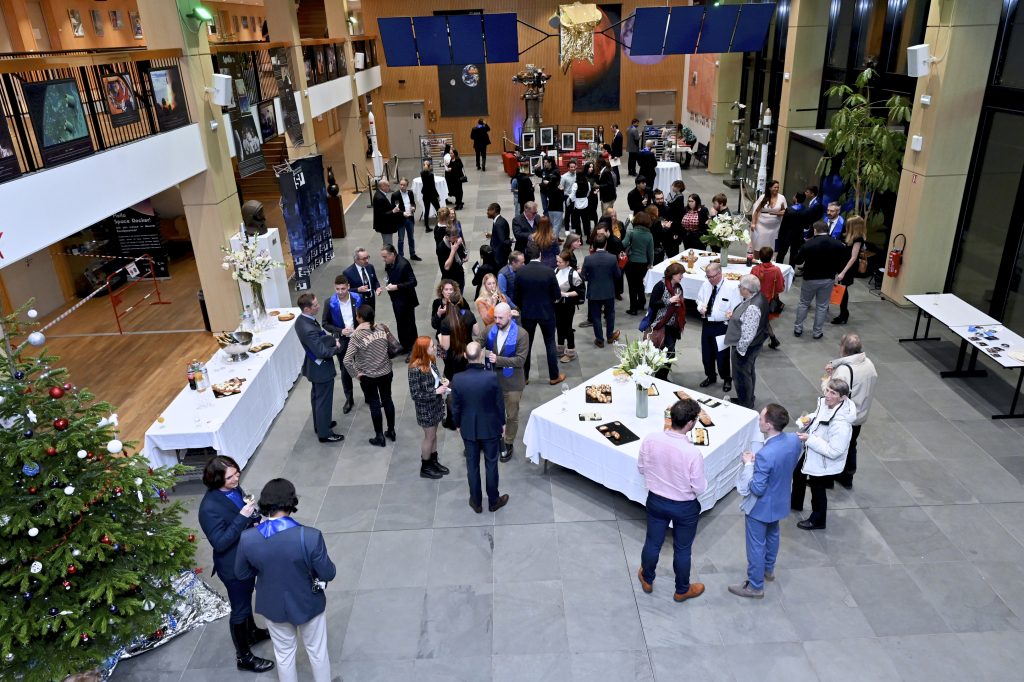
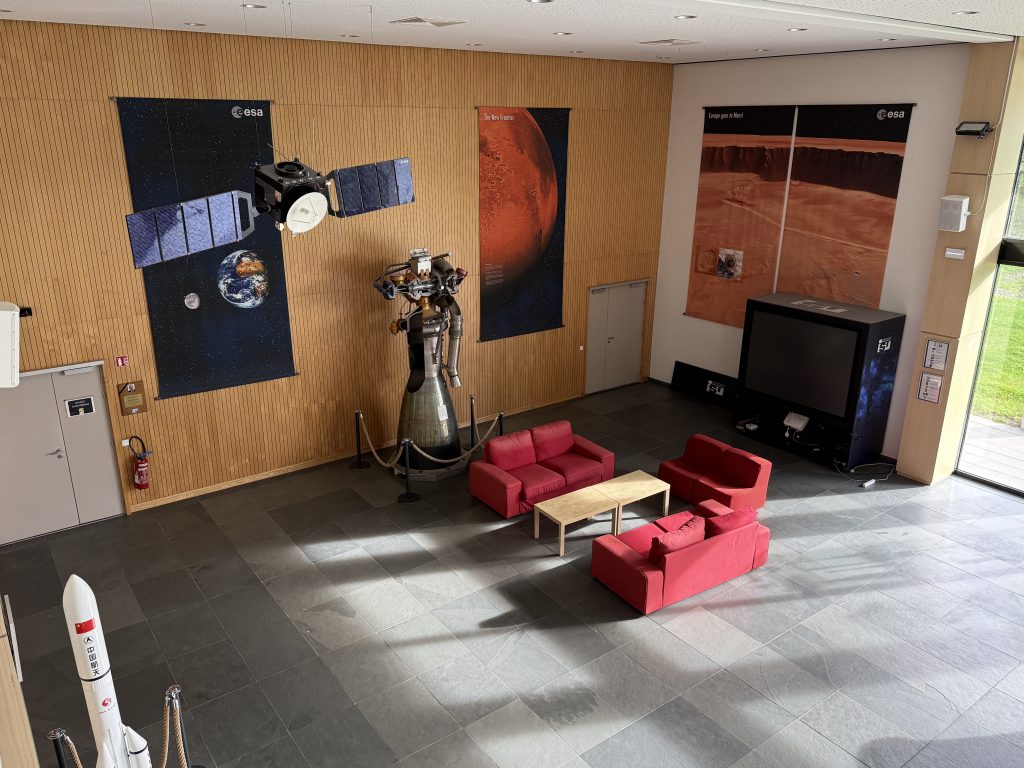
The program will be hosted at the International Space University:
ISU President Dr. John Wensveen remarked:
“Hosting SSP 2026 at our Central Campus is an exciting milestone for ISU. This decision aligns with our long-term vision, Moon Shot 2030, to strengthen ISU’s role as a central hub for global space education and innovation.
SSP26 will not only bring together participants from around the world but also serve as a launchpad for the next phase of development, strengthening the program’s future impact.”
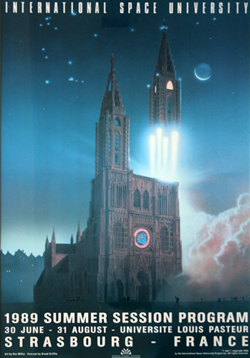
Since its founding in 1988, ISU has delivered its flagship Space Studies Program across more than 30 host institutions around the globe. SSP26 marks a symbolic return to the university’s roots in Strasbourg — a city at the crossroads of Europe, rich in science, diplomacy, and innovation.
Strasbourg offers an unparalleled learning environment, combining ISU’s renowned faculty, state-of-the-art facilities, and a thriving space ecosystem. Participants will benefit from direct access to ISU’s research activities and extensive global network, while engaging with Europe’s dynamic space industry.
SSP 2026 will set the stage for the evolution of the program, ensuring that it remains at the forefront of space education and workforce development. The experience will allow participants to engage with renowned experts, cutting-edge research, and the broader space community while immersing themselves in the European space sector.
The SSP26 Chair selections have been completed, and all Chair applicants have been notified of the results.
The selection process for SSP26 Staff and activities is continuing according to the planned timeline.


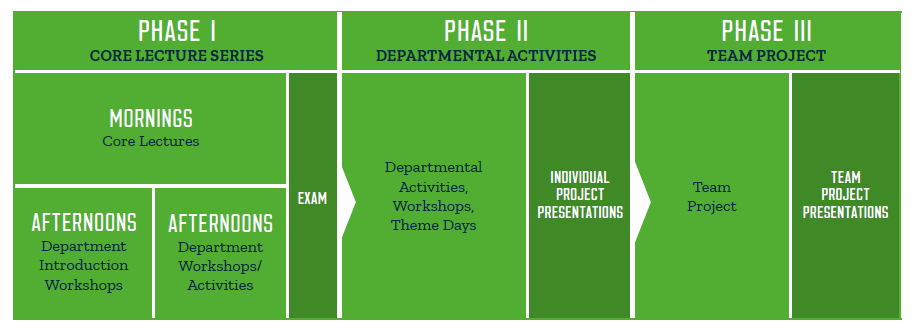
The interdisciplinary curriculum of the SSP, with its emphasis on international cooperation, exposes participants to broad new perspectives on the world’s space activities – perspectives otherwise reserved for those with many years of diverse professional experience. The program is packed with a wide variety of activities, including lectures by renowned experts, hands-on activities and projects, team work and professional visits.

Phase I of the SSP curriculum ensures participants have a basic grounding in the fundamentals of all the disciplines that are relevant to space programs — and that they understand the relationships between these disciplines in any space-related activity. All participants attend the core lecture series, which creates a basic framework of knowledge to prepare participants for informed and balanced judgment.
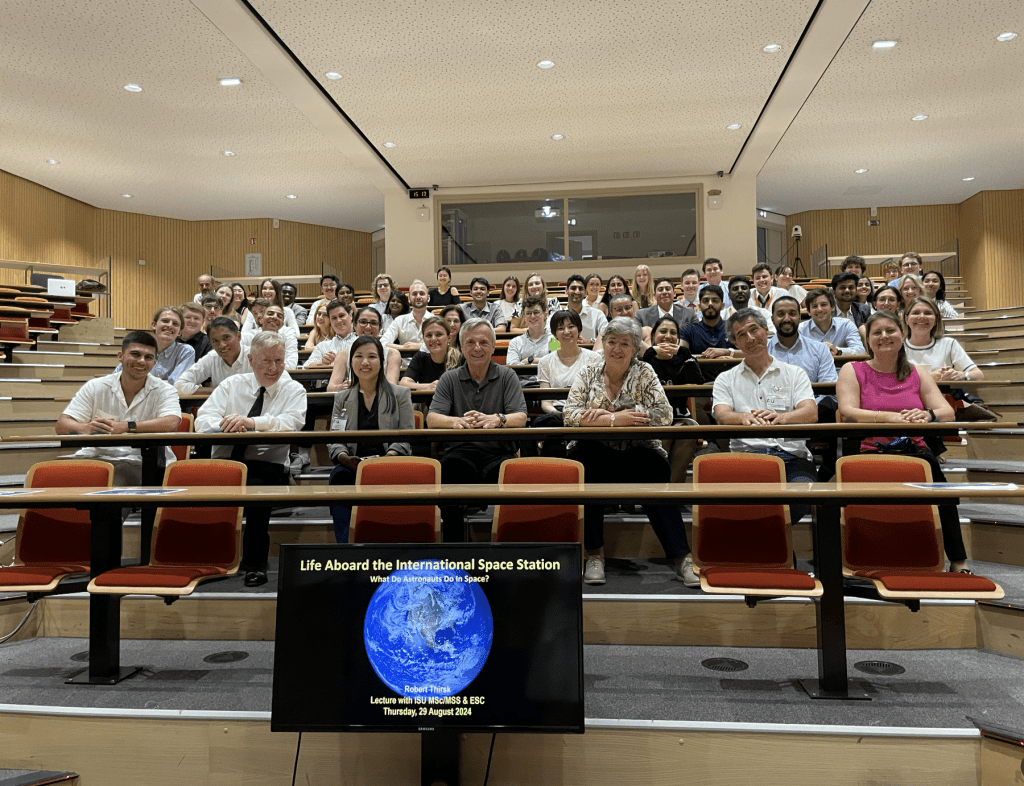
A series of lectures in each field of study that is designed primarily for non-experts is presented. Thus, medical specialists can understand the lectures on propulsion and engineers and lawyers can understand the lectures on the effects of weightlessness on the human body.
Core lectures are often grouped in clusters. Questions from participants and group discussions with the lecturers are encouraged.
Knowledge gained from the core lectures allows participants to:
SSP Workshops are activities designed to enhance and complement the knowledge acquired during core lectures through more active learning in smaller groups. Participants choose activities based on their interests. A number of activities are conducted in parallel and participants must sign up in advance. Topics may be offered more than once so as many people as possible are able to benefit.
Workshop activities offered in SSP19 included:
Department activities encourage exchange of knowledge, ideas and opinions through debate and discussion, as well as hands-on activities. Departments have more time to go into greater depth with activities such as:
Department activities provide an important opportunity for participants to interact with faculty members and lecturers and build their professional network. They also provide a means for participants to become sensitive to the cultural differences that govern personal interactions in a group setting and to adapt and develop presentation and negotiation skills in light of this cultural diversity.
The department chair will work with each participant to define a short exercise or project as part of the departmental activities. These projects may be done individually or in small teams and include an oral presentation of professional research or a professional paper and presentation on current issues for a conference.
During the SSP, departments make professional visits to space agencies, companies, and space-related research institutes/universities. The activity varies based on the available local resources.
Some example of SSP19 professional visits and activities are:
In Phase III of the SSP, participants work in international, interdisciplinary and intercultural teams to produce a comprehensive analysis and proposals for an international space project or on a topic of relevance to the professional space sector. Participants choose one from multiple team project topics and work on that topic for the duration of the SSP. This element of the program has three main objectives:
Many ISU reports have served as resources for the world space community (see the ISU Library Website for Team Project reports). The structure of team projects depends to some extent on their subject matter, but certain aspects are common to all team projects:
“Growing up, being involved in space was just a childhood dream of mine. Attending the ISU was one of the most rewarding experiences I’ve had the pleasure of being a part of. Learning about such a broad range of topics alongside such talented individuals was an experience second to none. I would not be exaggerating to say that almost all of the fantastic opportunities I have received since attending are in some way due to the program, and for that I will always be grateful. To anyone looking to turn their childhood ambitions into a reality, the ISU is a must.”
Applications for the Space Studies Program (SSP) 2025 will be processed in the order in which they are received. Only full applications will be considered.
Application deadlines:
31 January 2026
(for applicants in need of financial aid)
30 April 2026
(final application deadline)
Early applications are recommended. Partial scholarships for candidates in need of financial aid will be granted on a first come first served basis until they run out.
In a typical SSP about 250 lecturers and experts academia from space agencies, industry and from all over the world provide instruction to the student body.
The SSP curriculum is coordinated by the Core, Department, and Team Project chairs and supported by members of the ISU Faculty.
Click here to view a list of invited lecturers and experts for SSP21.
Applications for the Space Studies Program (SSP) are processed through a rolling deadline system. Only full applications are considered, and candidates who miss a deadline will be evaluated after the following deadline.
Early applications are recommended, and partial scholarships for candidates in need of financial aid will be granted on a first come first served basis until they run out.
Application deadlines:
Each participant’s academic performance is evaluated on the basis of:
Participants are required to obtain a satisfactory evaluation in each of these three elements in order to obtain a Certificate of Completion for the program.
The full fees for SSP are EUR 20,000.
Payment may also be made in US dollars at the inter-bank exchange rate on the date of payment.
This fee is inclusive of tuition, accommodation, and meals. Travel to and from the SSP host site and medical insurance are not included.
The International Space University (ISU) has organized the Space Studies Program (SSP) annually since 1987. The SSP is held in different countries around the world with an institution or consortium serving as its Host.
The program brings over 300 professionals representing 40+ countries for a duration of 8 weeks to the host country.
ISU is seeking proposals from interested organizations in serving as the host of the 38th, 39th, and 40th SSP which will be held in 2026, 2027, and 2028.
Don’t miss your chance to launch your career in the space sector.