From Foundations to Frontlines: Entering the Department Phase
After weeks of building a shared foundation of knowledge across all space disciplines, Week 4 marked our first step into specialization — where theory meets practice, and teams move from insight to implementation.
Monday – Goodbye Core Lectures, Hello Departmental Liftoff
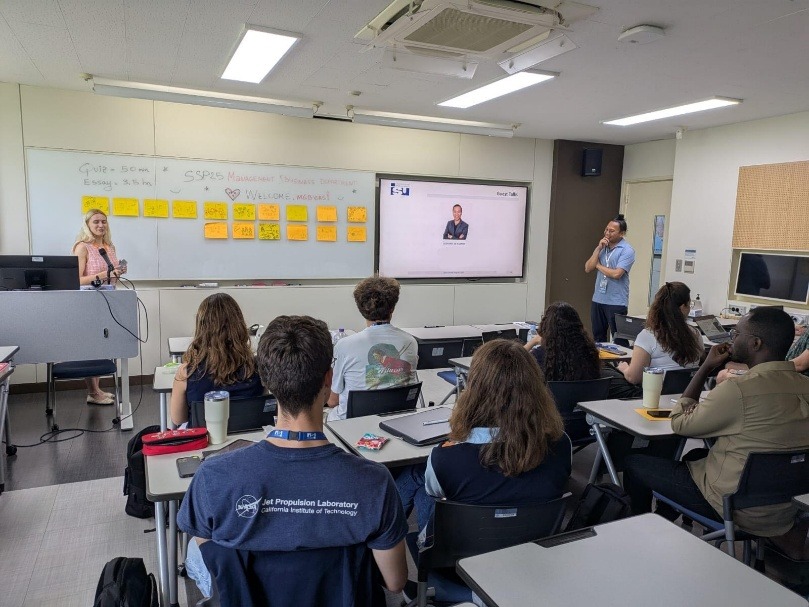
The week began with a major milestone: the Final Exam of the Core Lecture phase. This officially concluded Phase I of SSP25 — a rigorous, interdisciplinary journey through the fundamentals of applications, human performance, humanities, policy, economics and law, engineering, management and business, and sciences. In the afternoon, participants transitioned into their respective departments, kicking off Phase II with orientation sessions and project overviews.
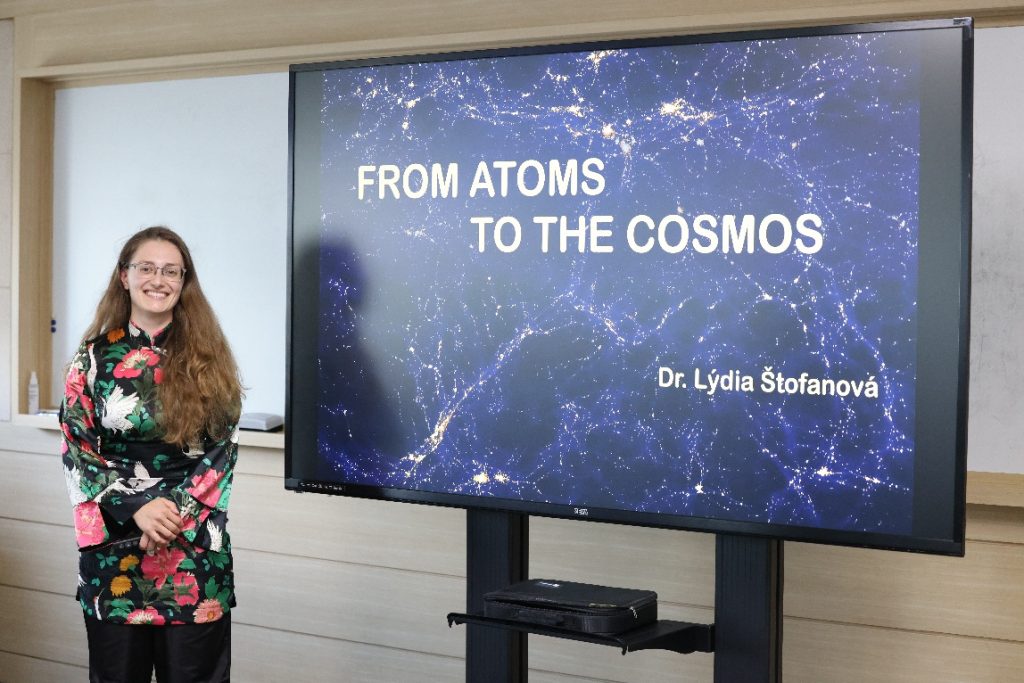
In Engineering (ENG), participants began the week with a hands-on session led by David Korsmeyer, focusing on how to safely return samples from the Moon. They explored key concepts such as landing, impacting, and orbital rendezvous, and started designing their own conceptual landing subsystems — balancing technical constraints with mission goals like protecting precious cargo and ensuring a soft, accurate touchdown.
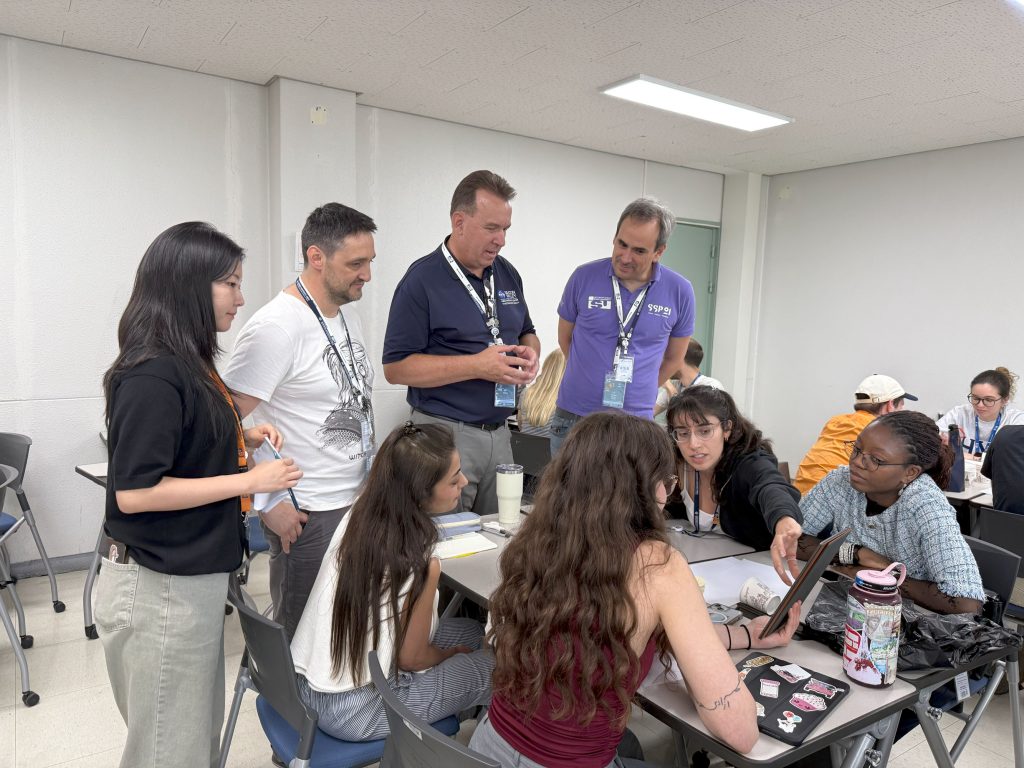
In Science (SCI), participants were treated to a powerful and thought-provoking lecture by Dr. Lydia Stofanova, titled “From Atoms to the Cosmos: Everything in the Universe is Connected.” The talk explained the relationship within the physical world — exploring the large-scale structure of the cosmos through the quantum properties of particles using X-ray spectroscopy — and encouraged participants to adopt a systems-level perspective in their scientific exploration throughout the program.
In Management and Business (MGB), participants began with an overview of the department and space market fundamentals. They then heard a talk from Leonard de Guzman, who shared his experience developing space infrastructure in emerging nations. Using the Maldives Space Research Organisation (MSRO) as a case study, he highlighted key considerations for building a national space ecosystem — from investment strategies to policy planning.
Tuesday – Team Projects and a Fireside chat with NASA
Participants spent the day immersed in their Team Projects (TP), diving deeper into collaborative work and interdisciplinary problem-solving.
In the evening, we had the rare opportunity to participate in a Fireside Chat with Dr. David Korsmeyer, Deputy Center Director of NASA’s Ames Research Center. He shared personal stories from decades in aerospace, lessons in leadership, and thoughts on the next frontiers in space technology.
Wednesday – Field Trips Across Korea
Midweek brought a dynamic break from the classroom with departmental field visits, offering direct exposure to real-world space applications and cultural contexts:
Applications (APPS) visited a Smart Urban Farm in Gangnam, followed by the National Aviation Museum of Korea.
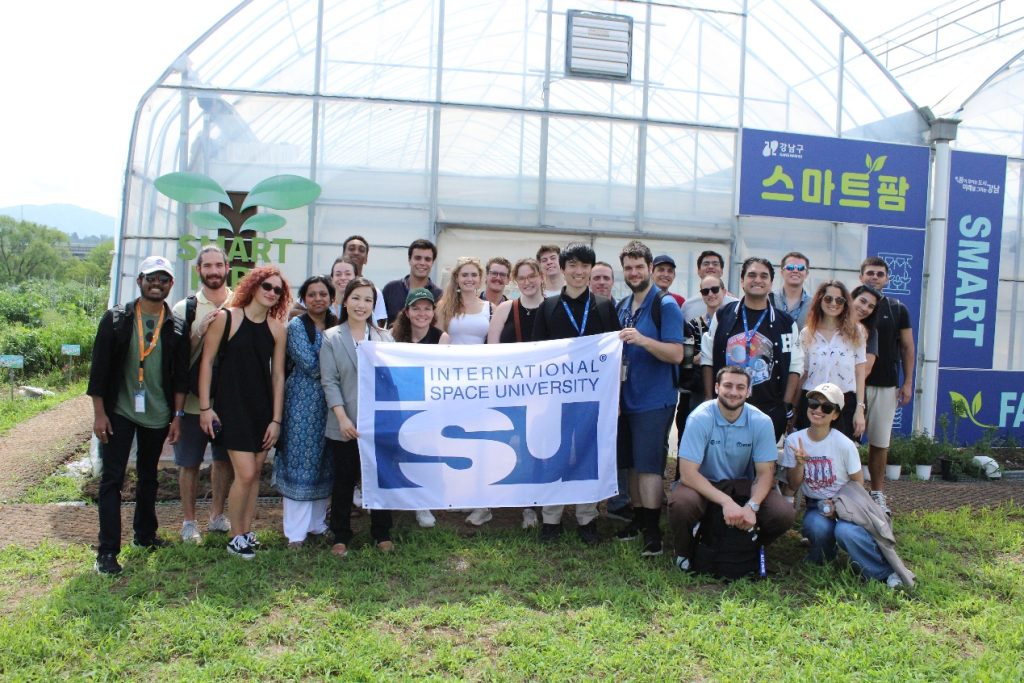
Engineering (ENG) toured Hanwha Systems, a major aerospace tech company, and then KairoSpace, delving into Korea’s growing private space ecosystem.
Humanities (HUM) took a reflective trip to the Korean Demilitarized Zone (DMZ), where discussions turned philosophical — exploring the intersection of geopolitics, humanity, and resilience.
Thursday – Elective workshops and a Call from Space
In the morning, participants chose from a diverse array of elective workshops, including:
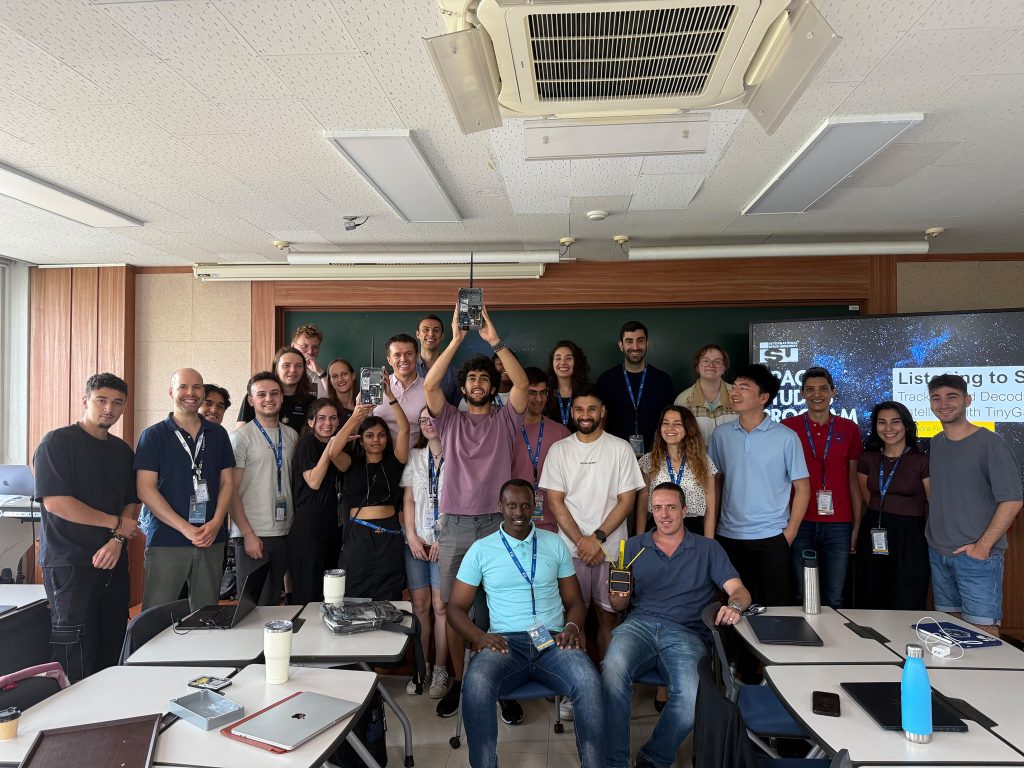
Listening to Space: Tracking and Decoding Satellites with TinyGS
A hands-on session led by Alexandre Ferreira Da Silva, where participants built ground stations to receive live satellite data from CubeSats and PocketQubes.
Multi-Omics: Introduction to Space Bioinformatics
Led by Wilian Da Silveira, participants explored SpaceOMICS and analyzed physiological spaceflight data using NASA’s GeneLab database, gaining hands-on experience with molecular biology techniques and big data approaches in space research.
Other elective workshops covered a wide spectrum of space-related topics — from legal frameworks and national space laws, to artificial intelligence applications, planetary imagery systems, and the evolving challenges of space tourism policy and regulation.
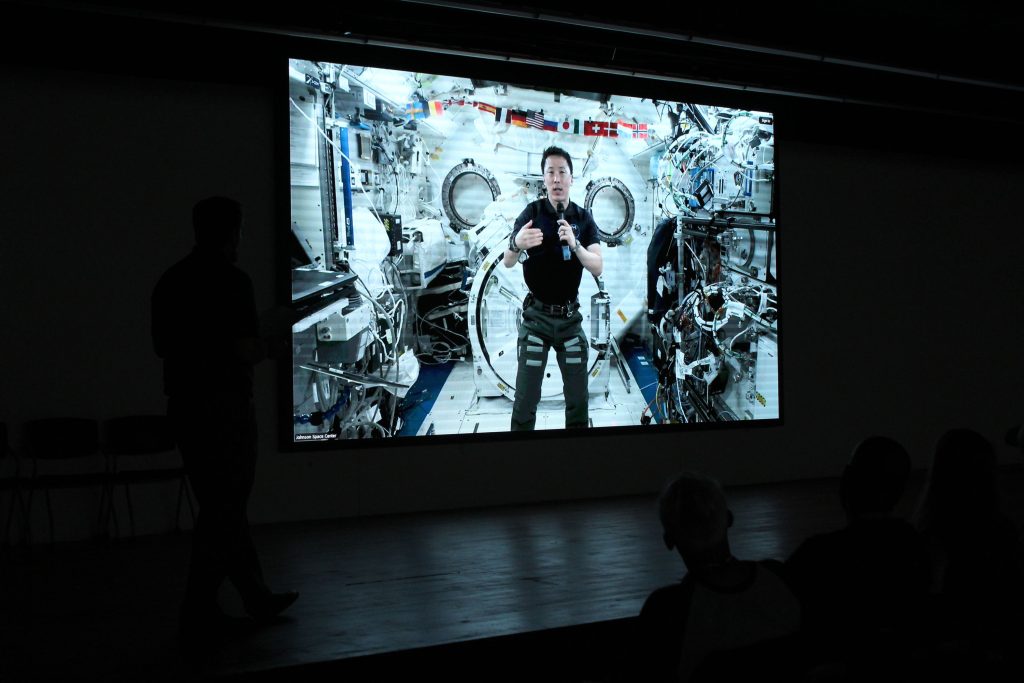
The night brought one of the most unforgettable moments of the program so far: a live downlink from the International Space Station (ISS). Speaking with astronaut Dr. Jonny Kim — a Navy SEAL, Harvard-trained physician, and NASA astronaut — reminded us why we’re here, and where we might be headed.
Friday – Rovers, Regulations, and Reunions
In Engineering (ENG) and Science (SCI), the day began with a joint session on planetary exploration with rovers, led by Dr. Matt Cross. Participants examined the challenges of navigating lunar and Martian terrain and explored key design considerations. In the afternoon, they moved into a hands-on simulation of rover mission planning, working through operational scenarios and mission constraints lying the groundwork for bringing their rover concepts to life.
Meanwhile, Policy, Economics and Law (PEL) participants took part in a simulated NewSpace Licensing workshop, led by Paola Breda, Schott Schneider, and Vittorio Di Pientrantonio. During the session, they analyzed real-world regulatory frameworks and engaged in group negotiations based on launch scenarios and international law.
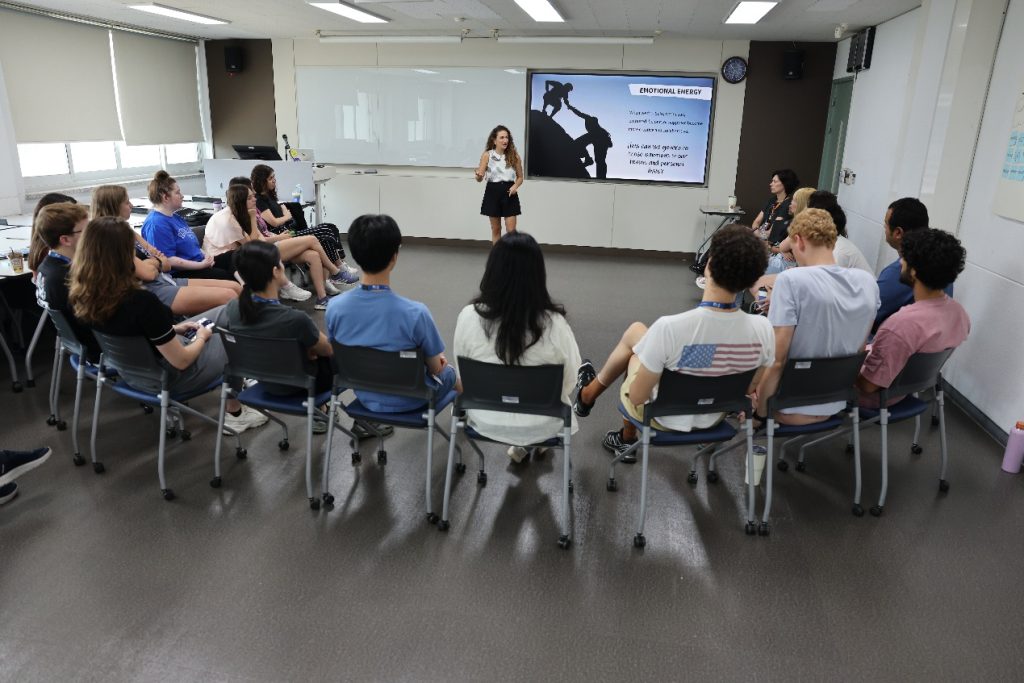
In Human Performance in Space (HPS), participants took part in a dynamic session on science communication, led by Neta Vizel. Focusing on astronauts’ health and wellbeing, they explored how to tailor messages across media platforms and audiences. The session culminated in drafting strategic communication briefs linked to their final projects.
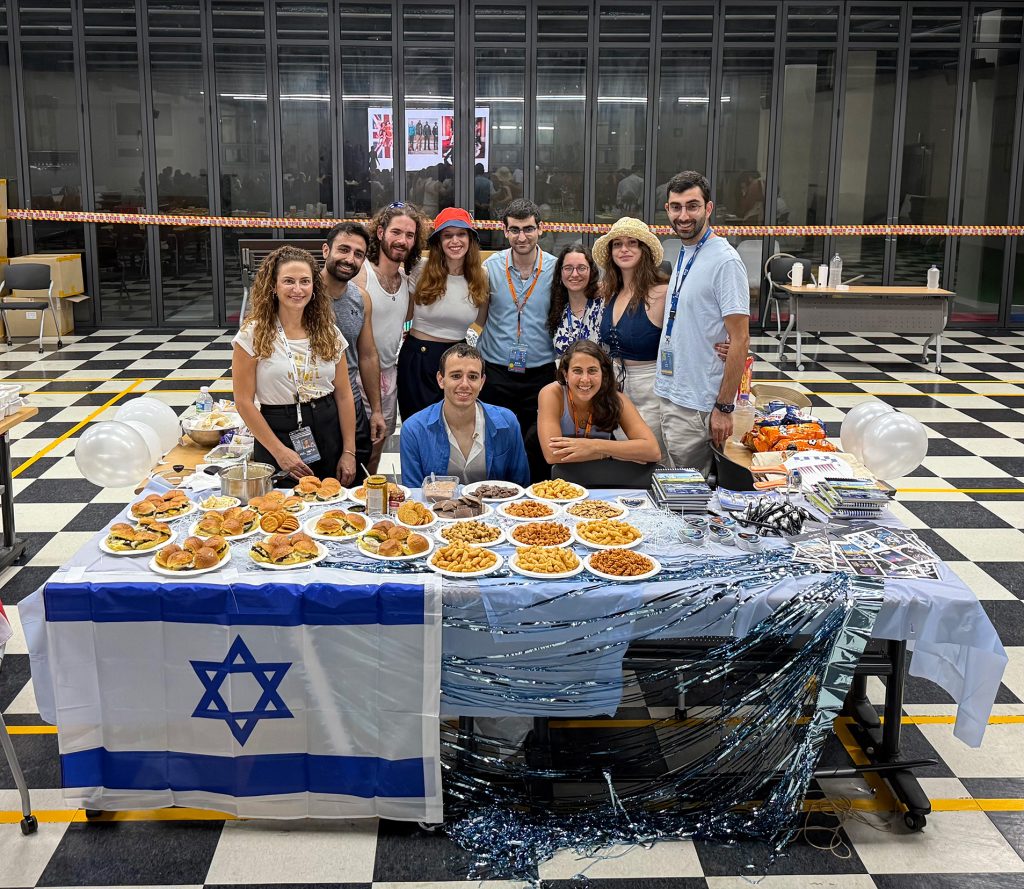
The day closed with Cultural Night, where alumni joined us for an evening of performances, food, and laughter — a joyful celebration of our global community.
Saturday – ISU Alumni Conference and Masquerade Magic
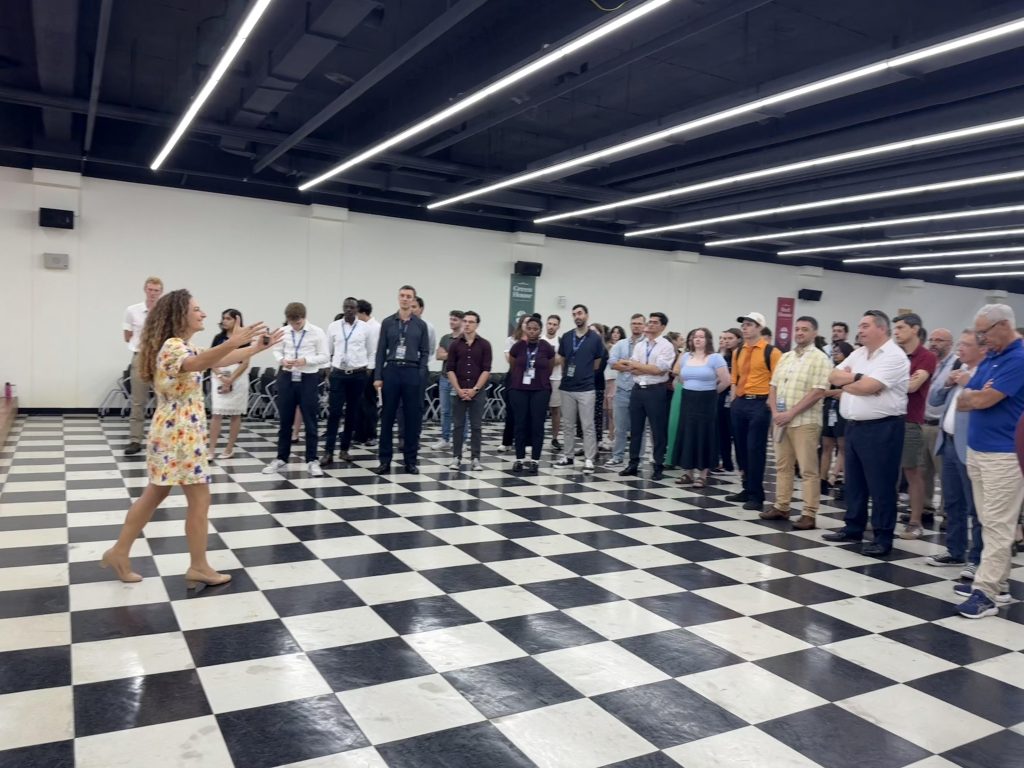
Saturday featured the annual ISU Alumni Conference, a special opportunity for current participants to connect with past SSP generations. The day included an interactive networking session led by Neta Vizel, who guided participants in building meaningful professional connections across disciplines and generations. Inspiring talks followed from alumni working across the space sector, including Loretta Whitesides (SpaceKind), Jim Brice (Blue Origin), Brian Rishikoa (Odyssey Space Research), and Victor Covasan (Elecnor Deimos).
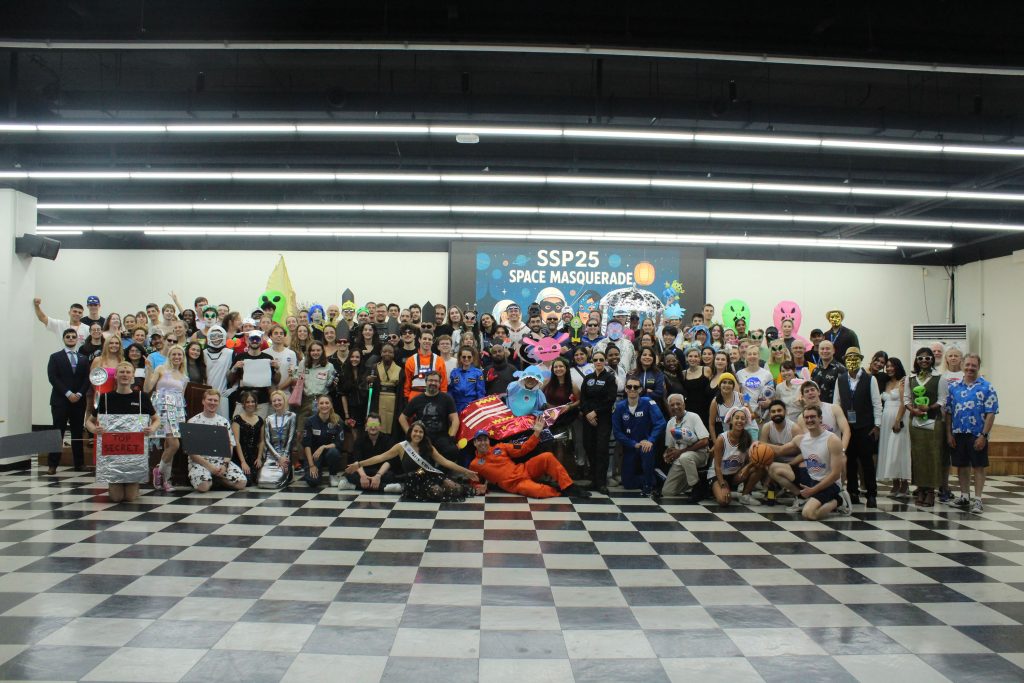
The evening concluded with the festive Space Masquerade Party, where participants and alumni danced the night away in dazzling cosmic costumes.
Sunday – Friendly Competition: Football Time
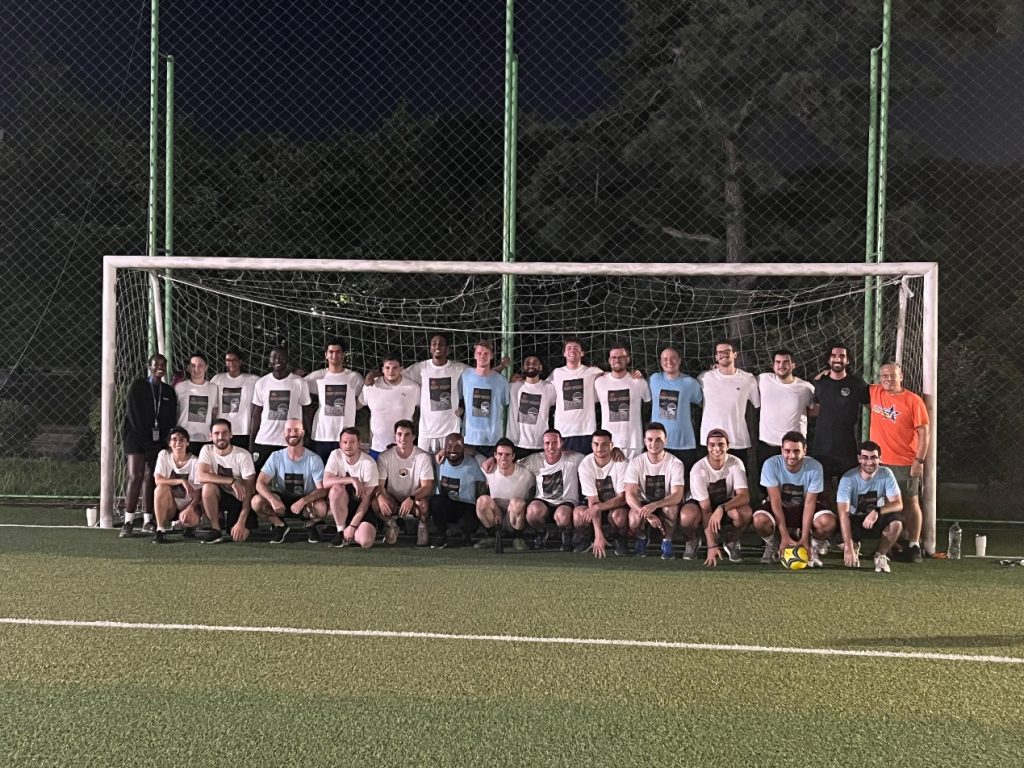
We wrapped up the week with the beloved tradition of the annual Football Match: Participants vs Alumni. It was a competitive (and comedic) showdown filled with cheers, near-goals, and lots of team spirit — a perfect way to wind down an action-packed week.
Written by Sapir Lazar (ENG TA).