AS26 – Space Pharmacology
Lead: Dr. Virginia Wotring
Overview
- Strasbourg, France
- 8 – 19 June 2026
- Course taught in English
- 2,000
During space missions, astronauts use medications to treat space-related conditions—and for everyday issues like headaches, insomnia, heartburn, or muscle pain. Yet human physiology changes in space, and we still don’t fully understand how these changes affect the way medicines behave in the body.
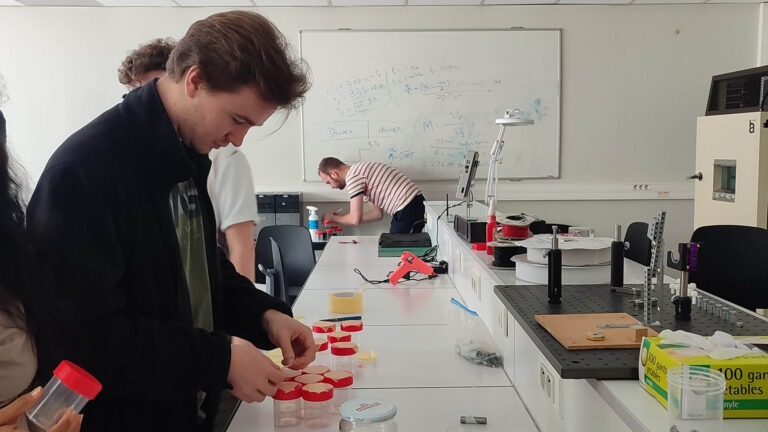
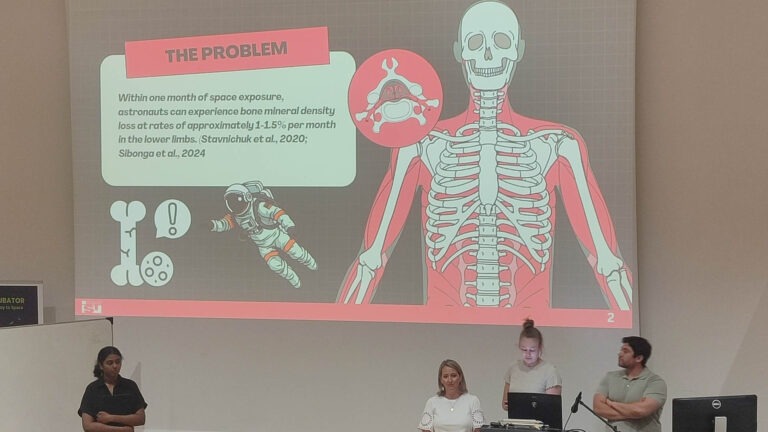
In this course, participants explore the medications currently used in spaceflight, the fundamentals of pharmacokinetics and pharmacodynamics in the space environment, and the legal and regulatory considerations of prescribing and dispensing medicine off-planet. The course includes laboratory work in ISU’s Space Life Sciences Lab, examining mission-relevant medication effects on invertebrate animals in space analogs.
This is for you if you want a rigorous, applied introduction to how pharmacology and pharmacy operations translate from Earth to long-duration missions.
- 3 ECTS
- Laptop required
Master’s Pathway: Credits earned in this course may be applied toward the ISU MSS or MSc program, with possible tuition reduction, upon successful completion and admission.
Apply now — external seats are limited.
Program Summary
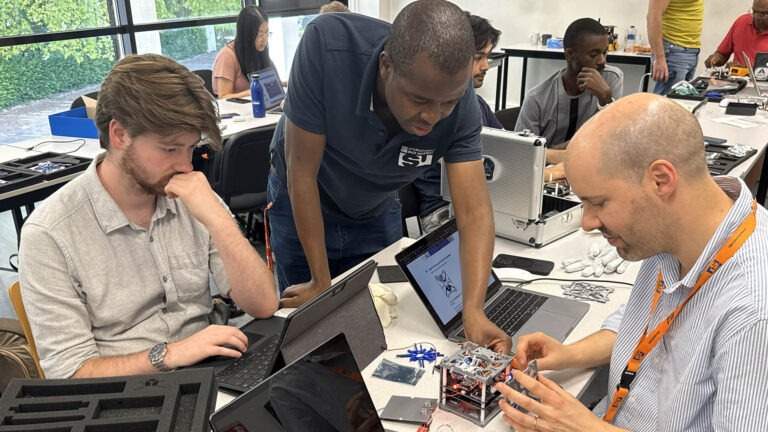
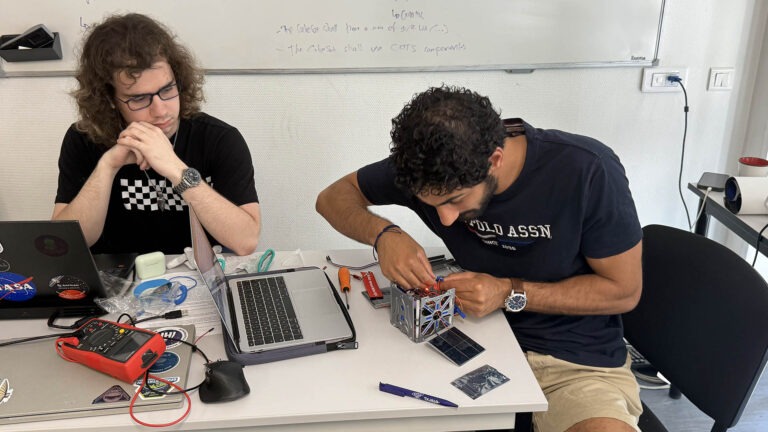
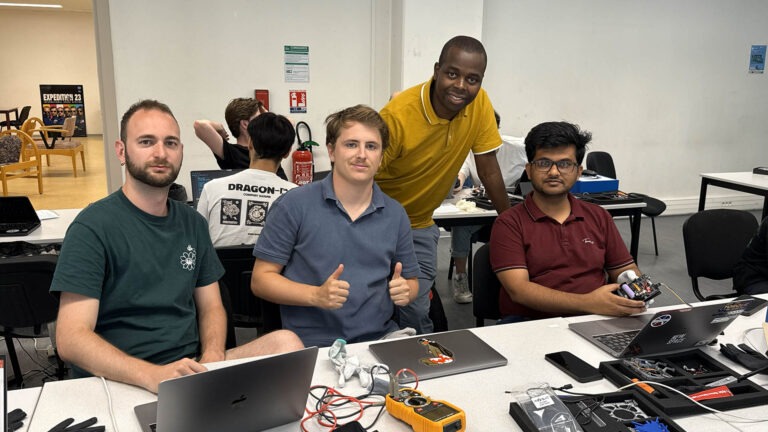
Weekdays 9:00–17:30 | ~50% hands-on
Week 1 — Foundations of Space Pharmacology & Experimental Methods
The first week introduces the fundamentals of pharmacology in the context of human spaceflight. Participants explore how medications are selected, stored, prescribed, and used during space missions, and how the space environment can alter physiological responses to drugs.
Key topics include:
Overview of medications used in historical and current space missions
Core principles of pharmacokinetics (PK) and pharmacodynamics (PD) in space
Drug mechanisms of action and spaceflight-specific considerations
Legal, regulatory, and operational aspects of medication use beyond Earth
Introduction to research methods and proposal design in space pharmacology
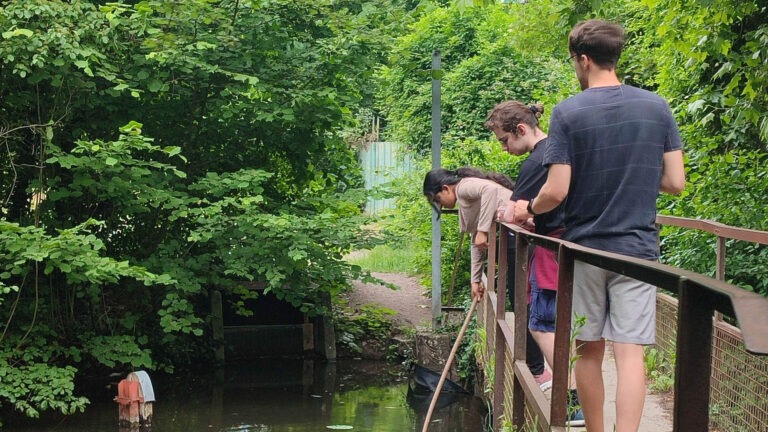
Hands-on activities begin during Week 1, with the introduction and early execution of dose–response laboratory workshops, allowing participants to apply pharmacological concepts in a space analog environment.
Week 2 — Astropharmacy, Research Application & Proposal Development
The second week focuses on advanced topics, applied analysis, and synthesis of knowledge through team-based research work. Participants deepen their understanding of astropharmacy and emerging pharmacological challenges associated with long-duration missions.
Key themes include:
Medication stability, formulation, and production for space missions
Astropharmacy and interdisciplinary approaches to space medicine
Pharmacogenetics and personalized medicine considerations for astronauts
Data analysis and interpretation from laboratory experiments
Development, writing, and refinement of a research proposal addressing an identified pharmacological challenge
The week culminates in proposal writing, rehearsals, and final presentations, where teams present their research concepts in a grant-style format, integrating scientific, operational, and strategic considerations.
What You Will Learn?
By the end of this course, you will be able to:
Describe pharmacy operations for the ISS and historical space missions
Explain pharmacokinetics and pharmacodynamics and analyze how they may be altered in spaceflight
Distinguish medications and supplements from chemical, business, and legal perspectives
Apply and extrapolate knowledge from cells and tissues to whole-organism physiology
Describe current pharmacological countermeasures for human risks in space
Assess potential countermeasures for long-duration missions
Additional information
Students in biology, physiology, medicine, pharmacology, aerospace medicine
Early-career professionals exploring space life sciences
Participants interested in human spaceflight operations & countermeasures
External seats: ~10 (limited)
Weekdays 9:00–17:30
Approx. 50% hands-on (lab work)
Bring your own laptop
On-campus at ISU Strasbourg
45% — Research proposal (group, written): teams design a grant-style research project addressing a pharmacology/pharmacy issue for long-duration missions (NASA Omnibus format: significance, innovation, plan, schedule, budget).
45% — Dose-response workshop (group): lab-based activity measuring physiological effects of a pharmaceutical; teams build concentration–response curves and present conference-style.
10% — Individual contribution: instructor observations + peer evaluations.
No formal exams. Grading on a French 0–20 scale. Certificate of completion + ECTS transcript.
Fundamentals of Space Medicine — Gille Clément (any edition)
Systems Medicine for Human Spaceflight — Mark J. Shelhamer & Erik Antonsen
Advanced Studies
The “Advanced Studies” that are part of ISU’s Master programs – the Master of Science in Space Studies (MSc) and Master in Space Studies (MSS) are now also open for participation to all.
They take place onsite, at ISU central campus in France.